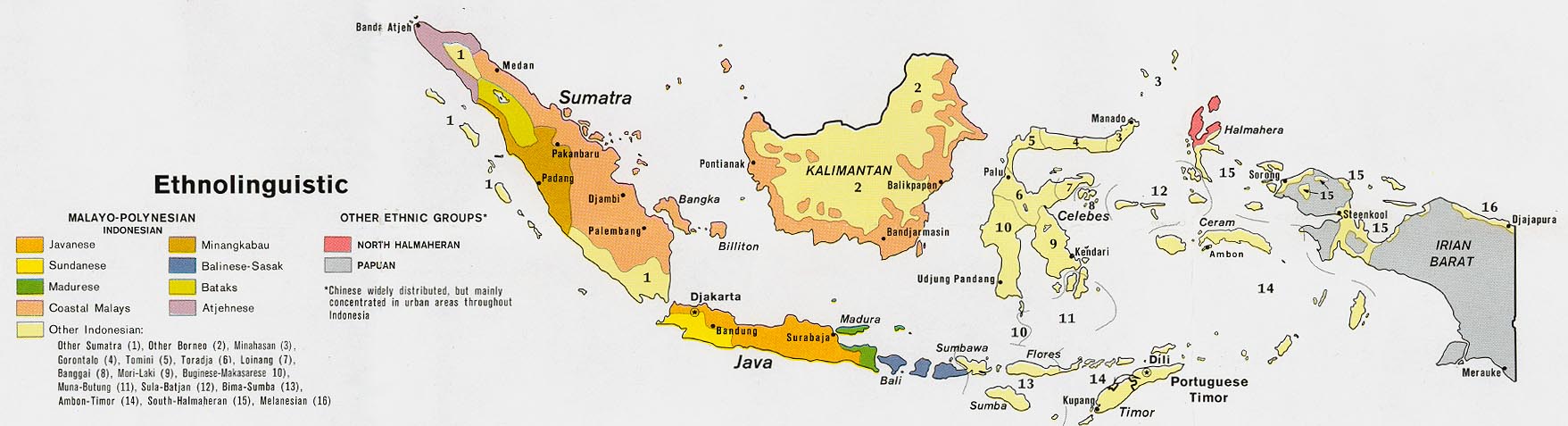
The Erokwanas are an indigenous people of Papua, Indonesia. Their language, Erokwanas, belongs to the Austronesian family and is considered endangered, as younger generations increasingly shift toward Indonesian or other regional languages. Historically, the Erokwanas lived in small, isolated communities, relying on subsistence farming and hunting. Their remoteness has limited outside contact, and their traditions have been preserved through oral storytelling, ritual practices, and clan-based social structures. The arrival of missionaries and government programs has introduced new influences, but the Erokwanas remain largely tied to their ancestral ways of life.
Life among the Erokwanas revolves around subsistence agriculture, fishing, and hunting. Families cultivate sago, taro, and bananas, while rivers and forests provide fish and wild game. Work is divided along gender lines, with men hunting and fishing while women manage gardens and household tasks. Family dynamics emphasize kinship and cooperation, with extended relatives often living nearby and sharing responsibilities.
Celebrations are tied to seasonal cycles and community events, marked by feasting, dancing, and storytelling. Food staples include sago, fish, and root crops, often cooked in communal earth ovens. Hospitality is valued, and gatherings reinforce social bonds within the community.
The Erokwanas follow primarily ethnic religions, with only a small Christian presence. Traditional beliefs center on spirits, ancestors, and natural forces, which are thought to influence daily life and well-being. Rituals and ceremonies are performed to maintain harmony with the spiritual world. Christianity has made limited inroads, but believers are few, and discipleship is shallow. The gospel has not yet taken deep root, and syncretism between animistic practices and Christian teaching is common. The Erokwanas remain minimally reached, with little exposure to Scripture or sustained Christian witness.
The Erokwanas people face significant spiritual and physical challenges. Isolation has left them with limited access to healthcare, education, and economic opportunities. Their language is endangered, and without preservation efforts, cultural identity may erode. Spiritually, the community requires discipleship that moves beyond nominal identification with Christianity. The small Christian presence needs encouragement and training to become a mission force. Socially, reconciliation and peace are needed to strengthen community ties and provide hope for younger generations.
Pray that the Erokwanas will encounter the transforming power of Jesus Christ and embrace him as Lord.
Pray asking God to raise up workers who can bring the gospel in culturally sensitive ways and disciple new believers.
Pray for translation and literacy efforts that will preserve the Erokwanas language and make scripture accessible.
Pray for their physical needs, including better healthcare, education, and sustainable food sources.
Pray that the small Christian presence will grow strong and become a light to their neighbors, joining the global mission force to bless all nations.
Scripture Prayers for the Erokwanas in Indonesia.
Ethnologue: Erokwanas language overview
His Feet International: Unreached People Groups in Indonesia
| Profile Source: Joshua Project |